The Capacity Cost Bomb
In July 2024, something dramatic happened in the energy market that most Pennsylvanians never heard about. The PJM Interconnection—the organization that manages the electricity grid for the mid-Atlantic region—held a capacity auction. Capacity is the grid's ability to have enough power available during peak demand times.
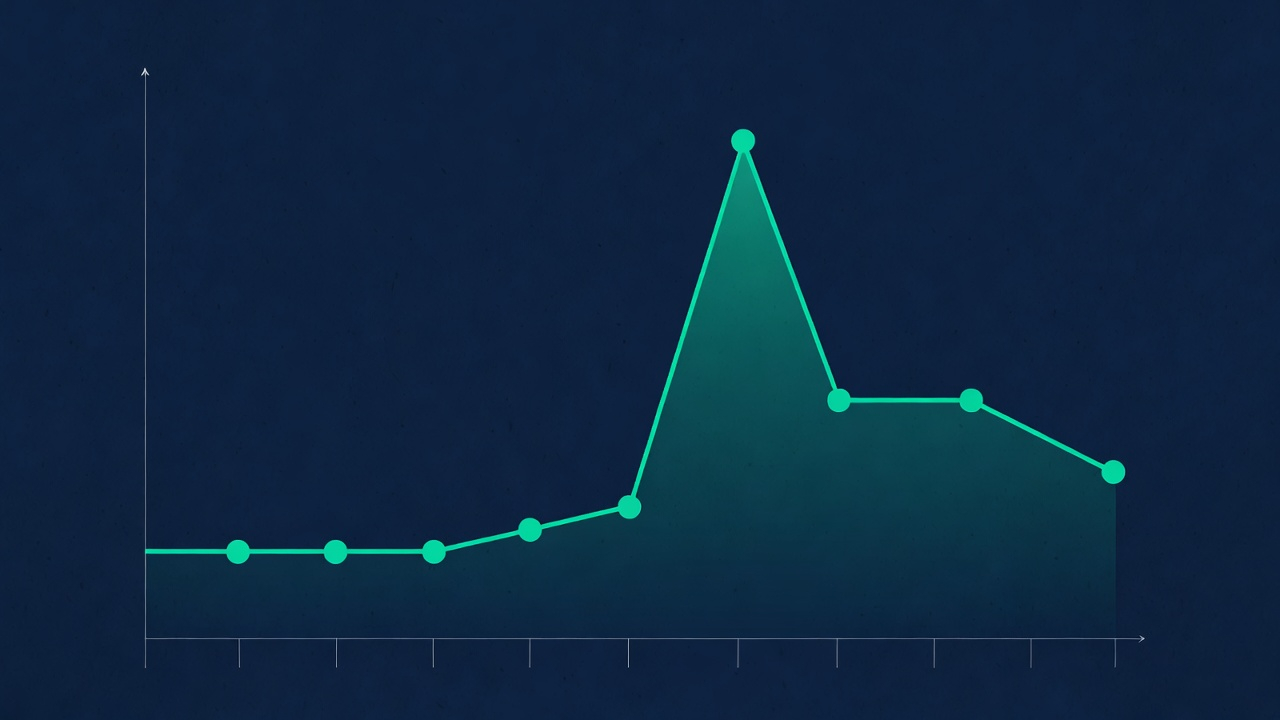
The results were shocking. Capacity prices jumped from $28.92 per megawatt-day to $269.92 per megawatt-day. That's an 833% increase in a single auction.
What does this mean for you? The cost to keep the grid reliable is now much higher. These costs flow directly into your electricity bill. Some Pennsylvania utilities saw rate increases of 30% or more in 2025-2026 as a direct result of this capacity auction.
In plain English: you don't just pay for the electricity you use. You also pay for the grid's ability to have enough capacity available when you might need it. That reserve capacity—the buffer that keeps the lights on during winter when everyone cranks up the heat—is now much more expensive. And you're paying for it.
Why It's Getting Worse, Not Better
The capacity shock wasn't random. Three major forces are converging, and they're all pushing electricity prices higher:
- Data centers and AI are consuming massive amounts of power: Major tech companies are building data centers across the mid-Atlantic region. These facilities use as much electricity as small cities. Demand is surging. When demand spikes and supply doesn't keep up, prices go up.
- Aging infrastructure needs billions in upgrades: The grid is old. Transformers, transmission lines, and substations were built decades ago. Keeping this system running and modernizing it costs money. Utilities pass these costs to customers. Expect infrastructure charges on your bill to keep rising.
- New renewable projects are stuck in interconnection queues: The grid is getting congested. New wind and solar projects that could eventually lower prices are stuck waiting months or years for permission to connect. Supply isn't keeping up with demand. When supply is tight, prices spike.
All three of these trends are accelerating. The grid is getting tighter, demand is getting stronger, and the cost to maintain and upgrade infrastructure is going up. This is a recipe for continued electricity price increases.
The Variable Rate Trap
Here's where you need to pay close attention: if you're on a variable-rate supplier plan, your rate floats with the market. This is the riskiest choice you can make.
In summer, when demand is low, variable rates can be attractive. But winter is coming. In winter, when everyone cranks up the heat and demand spikes, variable rates spike with it. These rates can double or triple from summer to winter. Customers on variable rates often see their electricity bills jump from $80 in summer to $200+ in winter.
Many suppliers use teaser rates to lure you in: "10¢ per kWh! Lock in your rate today!" But check the fine print. Often that low rate is only good for 3-6 months. After that promo period ends, the supplier switches you to variable rates that float with the wholesale market. When winter hits and capacity prices spike, you're exposed.
Real example: A Pennsylvania customer signed up with a supplier at 8.5¢/kWh in August. The supplier had fine print saying the rate would become variable after 6 months. In January, when heating demand peaked, the variable rate jumped to 19¢/kWh. Her bill tripled. She was locked in and couldn't leave.
What Actually Happened to PA Customers
The capacity shock and rising demand have already started hitting bills. Here's the timeline:
- June 2025: PPL's Price to Compare changed. Across Pennsylvania utilities, supply costs jumped 5-16% in response to the capacity auction results and rising wholesale prices.
- December 2025: The PUC issued press releases warning consumers about additional rate changes coming. The message was clear: prepare for higher bills.
- 2026: The rate increases continue. Many customers are seeing bills 15-30% higher than they were a year ago.
The Pennsylvania PUC literally warned customers in November 2025. The agency issued press releases about December 1st rate changes and urged customers to understand their options. Most people missed these warnings. Most people still don't know what's coming.
For the official PUC alert, see: PUC Alerts Consumers of December 1 Electric Price Changes.
The Winter Multiplier
Here's a number that should alarm you: during winter heating months, electricity can account for more than half of a typical household's energy bill in Pennsylvania.
This means winter is when electricity prices matter most. When temperatures drop and everyone cranks up the heat, wholesale electricity prices spike. Grid demand peaks. Capacity becomes scarce. Prices go up dramatically.
If you're on a fixed-rate plan locked in at a good price, winter is when you're glad you made that choice. If you're on a variable rate, winter is when you get crushed.
This is why timing matters. If you're going to switch suppliers, you want to do it before winter hits, not after. Right now, in March 2026, you still have time to get locked into a good fixed rate before the spring-to-summer demand begins climbing again.
What You Can Do Right Now
The alarm is sounding. Here's what you need to do immediately:
Step 1: Check Your Current Rate
Look at your PPL bill. Find the line item labeled "Electricity Supplier" or "Supply Charge." This tells you your current rate in cents per kilowatt-hour (¢/kWh). Write this number down.
Step 2: Compare Against PPL's Price to Compare
PPL's Price to Compare as of March 2026 is approximately 12.953¢/kWh through May 2026. This is the benchmark rate. If your current supplier rate is higher than this, you're overpaying. If it's lower, you're doing okay—for now.
Remember: PPL's Price to Compare changes on June 1st and December 1st. Mark these dates on your calendar. When they change, your analysis changes too.
Step 3: Look for a Legitimate Fixed Rate
If a supplier is offering a fixed rate that beats PPL's Price to Compare AND doesn't have hidden teaser-rate clauses or exit fees, it might be worth considering. But be careful. Real fixed rates are rare these days. Most offers are teaser rates in disguise.
Check the fine print. Is the rate locked for 12+ months? Is there an early exit fee? Does the rate become variable after a promo period? If the answer to any of these is yes, be extremely cautious.
Step 4: Use The Bill Advocate to Monitor
Honestly, doing this yourself is exhausting. You have to monitor the Price to Compare every 6 months, track supplier offers, read fine print, and make complicated decisions. This is exactly why we built The Bill Advocate.
We monitor PPL's Price to Compare every single week. We track legitimate fixed-rate offers from reliable suppliers. When an offer genuinely beats your current rate and doesn't have hidden traps, we send you an alert. When there's no good deal out there, we don't bug you.
We're not affiliated with suppliers. We don't earn commissions. We don't get paid more if you switch. We get paid by people who trust our advice and want us to monitor their bill. We have every incentive to be honest.
The Bottom Line
Your Pennsylvania electricity bill is about to get more expensive. The capacity auction, surging data center demand, and aging infrastructure are all pushing prices higher. Some of this increase is unavoidable—that's just the market. But some of it you can control.
If you lock in a good fixed-rate supplier now, you're protected from future increases. If you stay on the default rate, you're exposed to whatever PPL's Price to Compare becomes on June 1st and December 1st. And if you're on a variable rate, you're betting against the market during a time when prices are rising. That's a bad bet.
Take action now. Check your rate. Compare against the Price to Compare. Look for a legitimate fixed-rate offer. Or let us monitor this for you. But don't do nothing. Waiting is the worst choice you can make.
Don't Wait for Rates to Spike Again
We monitor PPL's rates every week and alert you to legitimate savings opportunities. Start your free 30-day trial today.
Start Free Monitoring →