When Is the Next PPL Rate Change?
PPL Electric updates its "Price to Compare"—the default supply rate for customers who don't choose an alternative supplier—twice each year. The next change happens on June 1, 2026.
Currently (through May 2026), PPL's Price to Compare is approximately 12.95¢ per kWh. On June 1st, it rises to 13.15¢ per kWh — and a separate distribution increase of about $7.42/mo follows in July. The takeaway: costs are going up, so locking in a lower fixed supply rate now matters more than ever.
Why Does the Rate Change?
PPL's default supply rate is set by the PUC using a formula that reflects wholesale electricity market conditions. Factors that influence the new rate include:
- Natural gas prices: Most U.S. electricity is generated from natural gas. When natural gas is expensive, electricity is expensive.
- Coal and nuclear costs: These generation sources affect the energy mix on the power grid.
- Demand: If people are using more or less electricity, prices adjust.
- Transmission costs: Infrastructure upgrades and maintenance affect delivered rates.
- Renewable energy penetration: More solar and wind on the grid can lower wholesale costs (or create volatility, depending on the market).
The PUC's formula is transparent and public. It's not arbitrary—it's meant to reflect actual market conditions. But predicting which direction rates will move is nearly impossible without being inside energy trading operations.
Historical Context: How Much Do Rates Actually Move?
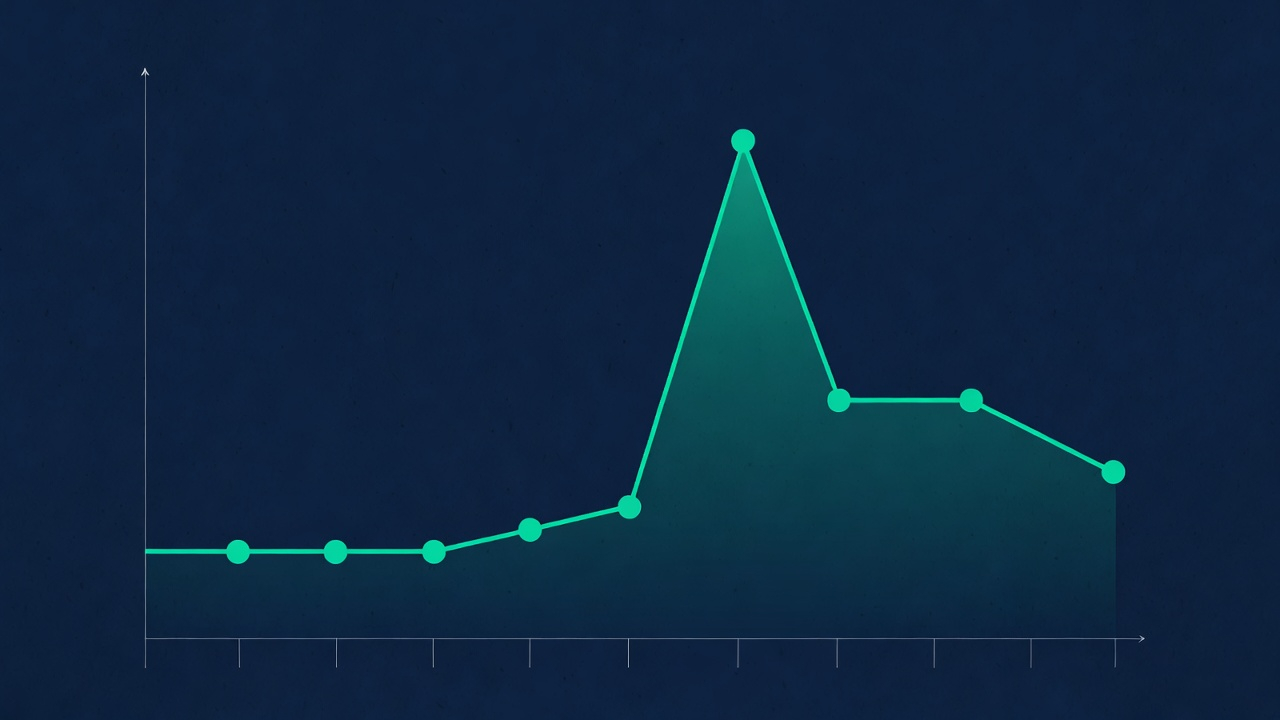
To get a sense of what could happen on June 1st, let's look at history. PPL's Price to Compare over the past five years has ranged from roughly:
- 2021: ~9–10¢/kWh
- 2022: ~10–11¢/kWh
- 2023: ~12–13¢/kWh (energy crisis, rising rates)
- 2024: ~12–13¢/kWh
- 2025: ~13¢/kWh (current through May 2026)
These are significant swings. A 2¢ jump from 11¢ to 13¢ might not sound dramatic, but it translates to an extra $20/month on a 1,000 kWh bill. That's $240 a year for an average household.
What Actually Happens to Your Bill on June 1st?
If you're a PPL customer who has NOT switched suppliers, your supply rate will change to whatever the new PUC benchmark is. You'll see the new rate on your bill starting with your first billing cycle after June 1st.
Your monthly bill will be impacted immediately. If the new rate is higher than the current 12.953¢, and you use 1,000 kWh per month, you could see a noticeable increase in your energy charge.
If the new rate is lower, you'll benefit. But that's rare in an energy-constrained market. Most rate changes in the past few years have been upward.
What If You've Already Switched Suppliers?
If you've locked in a fixed rate with an alternative supplier, the June 1st PPL rate change does not affect you. Your rate is fixed for the term of your contract. You'll keep paying exactly what you agreed to when you switched.
This is one of the biggest advantages of switching: you immunize yourself from future PPL rate increases. If you locked in 11.5¢/kWh for 12 months and PPL's default rate jumps to 14¢ in June, you keep paying 11.5¢. You win.
Should You Switch Before June 1st?
This is the strategic question. If you believe PPL's June rate will be higher than today's alternatives, switching now before the rate change takes effect makes sense. You'd lock in a fixed rate before the market potentially shifts.
However, here's the catch: supplier rates are also moving right now. Suppliers know a PPL rate change is coming on June 1st. They've already factored that into their current offers.
In other words, today's supplier rates likely already "price in" the June change. So if you wait until June 2nd to switch, you're not necessarily getting worse rates—they'll just be different.
The real question isn't timing the PUC announcement. It's whether there's a genuinely good deal available today compared to PPL's current rate. If there is, switch. If not, wait for a better opportunity later.
How to Protect Yourself From Rate Volatility
You have three options:
Option 1: Switch to a fixed-rate supplier. Lock in a price today. You'll pay the same rate regardless of what PPL does on June 1st or December 1st. This removes uncertainty from your budget.
Option 2: Stay with PPL and accept the volatility. Your rate will change twice a year. Some changes will hurt you, some will help. On average, rates are likely to stay elevated in a tight energy market.
Option 3: Monitor actively and switch when rates become attractive. Don't stay with PPL forever, but don't switch until a genuine savings opportunity exists. This requires staying informed.
What About Delivery Charges?
It's worth knowing: PPL's delivery charges (transmission and distribution) are regulated separately from the supply rate and are unlikely to change on June 1st. Those adjustments happen on a different schedule.
So when we talk about "PPL's rate change," we're really talking about the supply component only—the part you can escape by switching to another supplier. Delivery charges stay the same regardless of which supplier you choose.
What Will Probably Happen (Educated Guess)
Energy markets are in flux. Natural gas prices are volatile. Coal plants are retiring. Solar and wind are growing but creating volatility. Demand is rising.
Most energy analysts expect rates to remain elevated for the next 12–24 months. A significant drop in PPL's rate on June 1st would be a surprise. A small increase or a flat hold is more likely.
But that's an educated guess, not a prediction. The market surprised us before and will again.
The Real Lesson: You Have a Choice
Pennsylvania's deregulated market exists because policymakers believed competition would drive better prices. The June 1st PPL rate change is exactly why that choice matters.
If you're stuck with PPL's default, you have no control. Your rate moves twice a year based on forces you can't influence. But if you actively switch when rates are favorable, you can escape some of that volatility.
The June change is a reminder: the power to control your electricity costs is in your hands. You just need to pay attention.
Monitor PPL's Rates Automatically
We track PPL's Price to Compare every week and alert you when a cheaper fixed-rate supplier exists. Never miss an opportunity to save again.
Start Free Monitoring →